Before You Toss Them: What to Know About Sprouted Idaho Potatoes
Before You Toss Them: What to Know About Sprouted Idaho Potatoes
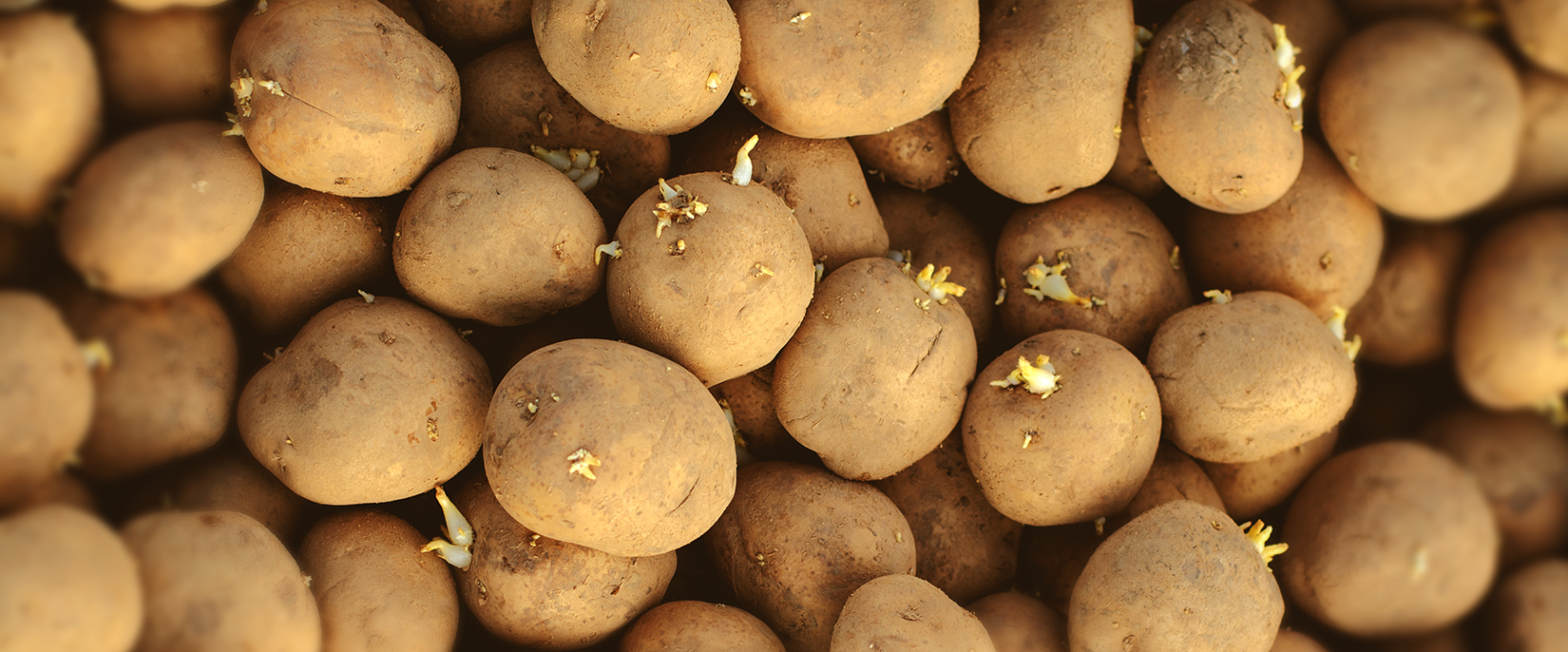
We've all been there. You reach into the pantry for a potato to go with dinner and discover your spud has grown little pale "eyes" and a few wiggly sprouts. Before you toss it in the trash, take a breath: a potato with a few small sprouts is often still perfectly fine to enjoy. A little know-how goes a long way toward cutting down on food waste and keeping your meals safe and delicious.
Why Do Potatoes Sprout?
Sprouting is just nature doing its thing. A potato is a living tuber, and when it's stored somewhere warm, bright, or for a long stretch of time, it starts getting ready to grow into a new plant. Sprouts (and any green patches that show up on the skin) contain higher levels of natural compounds called glycoalkaloids, including one called solanine. These can taste bitter and, in large amounts, upset your stomach. That's why we trim them away rather than eat them. A firm potato with only a few small sprouts is generally considered safe to eat once the sprouts and eyes are thoroughly removed. Once they are removed, and the potato shows no signs of greening or deterioration, it can be prepared as usual.
How to Safely Prepare a Sprouted Potato
- Check it over first. The potato should feel firm, not soft, shriveled, or wrinkly, and the skin shouldn't be green.
- Cut out the sprouts. Use a paring knife or the tip of a vegetable peeler to remove each sprout, plus the eye it grows from. Cut a little deeper than the surface so you take the base of the sprout with it.
- Peel it. Peeling takes away the skin, where those natural compounds tend to collect, along with any small spots you missed.
- Cook as usual. Bake it, roast it, mash it, or fry it. Once the sprouts and eyes are gone, it's ready for whatever you're making.
When It's Time to Say Goodbye
- Green under the skin or across large areas
- Soft, shriveled, or wrinkled
- Covered in long or widespread sprouts
- Bitter-tasting (a sharp, bitter taste is a warning sign, so stop eating if you notice it)
One important note: cooking doesn't break down these compounds, so heat can't rescue a potato that's gone too far. When in doubt, throw it out.
Ways to Keep Them From Sprouting
The best way to deal with sprouts is to slow their growth down. Store your potatoes in a cool, dark, well-ventilated spot, like a pantry shelf or a paper bag in a cupboard, and keep them away from sunlight and heat. Skip the plastic bag, which traps moisture, and try not to stash them in the refrigerator. Check on your potatoes every week or so, and use up any that are starting to sprout first.
Watch here for storing and prep tips: Myth-Buster Storing Tips with the Farm Babe
So the next time you spot a few sprouts, grab your paring knife instead of the trash can. With a little trimming, those Idaho® potatoes can still make a great mash, a crispy tray of roasted wedges, or a loaded baked potato.
About the IPC
Established in 1937, the IPC is a state agency responsible for promoting and protecting the famous “Grown in Idaho®” seal, a federally registered certification mark that assures consumers they are purchasing genuine, top-quality Idaho® potatoes. Idaho’s growing season of warm days and cool nights, ample mountain-fed irrigation, and rich volcanic soil give Idaho potatoes their unique texture, taste, and dependable performance. These ideal growing conditions are what differentiate them from potatoes grown in other states.
You may also like

Good News, Spud Fans: Potatoes Are Sitting This Health Scare Out
If you've turned on the news lately, you've probably heard about the Cyclospora outbreak that's been making headlines across the country. It's linked to iceberg lettuce, other fresh fruit and other types of vegetables. Naturally, a lot of families are taking a second look at what's landing in their grocery carts and wonder about their favorite vegetable…potatoes!
Idaho Potatoes: The Original Affordable Superfood
One of the best nutrition-per-dollar foods available and the practical family staple for uncertain economic times. Even on a budget, great meals are possible with potatoes grown in Idaho and are proof that real food doesn't have to cost a fortune.
Idaho Grows More Than Just Russets
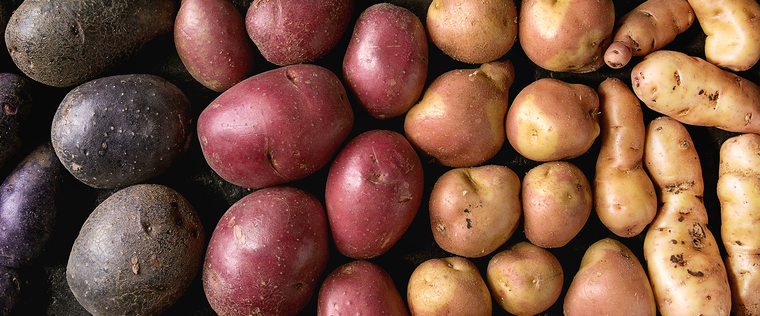
Idaho grows more than 30 different varieties of potatoes, each with its own texture, flavor, and culinary application.