Good News, Spud Fans: Potatoes Are Sitting This Health Scare Out
Good News, Spud Fans: Potatoes Are Sitting This Health Scare Out
If you've turned on the news lately, you've probably heard about the Cyclospora outbreak that's been making headlines across the country. It's linked to iceberg lettuce, other fresh fruit and other types of vegetables. Naturally, a lot of families are taking a second look at what's landing in their grocery carts and wonder about their favorite vegetable…potatoes!
We get it, nobody wants to second-guess dinner. So we wanted to take a moment to talk about something we know a thing or two about: potatoes. And the good news is, Idaho potatoes remain exactly what they've always been – safe, wholesome, and ready for your table.
Why Potatoes Have a Natural Head Start on Safety
Potatoes tend to be a safe bet for consumption. A few reasons why:
They grow underground. Cyclospora typically spreads through contaminated soil or irrigation water reaching crops that grow above ground and get eaten raw. Potatoes develop entirely below the surface, which gives them a natural buffer that leafy greens simply don't have.
Heat is their best friend. This is the big one. Cooking is one of the most effective ways to eliminate Cyclospora, and potatoes are almost never eaten raw. Whether you're baking, boiling, roasting, or frying, standard cooking temperatures take care of business. (Washing alone won't reliably do the trick but a hot oven or a pot of boiling water will.)
Scrubbing and peeling do double duty. Most potato prep already involves a good scrub with a produce brush and, often, peeling. That's two extra layers of protection that a bagged, pre-cut
salad mix just doesn't get.
What Health Officials Are Saying
State epidemiologists and local health departments continue to monitor the situation closely, and as of now, no Idaho-grown products have turned up as a source of infection. The general guidance from public health officials remains the same as always: keep enjoying fresh, healthy produce, follow good kitchen safety habits, and stay alert to any active recalls – especially around imported greens.
So, Don’t Worry – Eat More Potatoes
This is a great excuse (as if you needed one) to lean into everyone's favorite comfort food this season. Roast a tray of potato wedges, whip up a batch of mashed potatoes, or toss together a potato salad instead of a leafy one. However you like them, Idaho potatoes are still doing what they've always done: showing up safe, satisfying, and ready to be the star of the plate.
As always, if you have specific health concerns or symptoms, check in with your doctor or local health department for the most current guidance.
About the IPC
Established in 1937, the IPC is a state agency responsible for promoting and protecting the famous “Grown in Idaho®” seal, a federally registered certification mark that assures consumers they are purchasing genuine, top-quality Idaho® potatoes. Idaho’s growing season of warm days and cool nights, ample mountain-fed irrigation, and rich volcanic soil give Idaho potatoes their unique texture, taste, and dependable performance. These ideal growing conditions are what differentiate them from potatoes grown in other states.
You may also like
Before You Toss Them: What to Know About Sprouted Idaho Potatoes
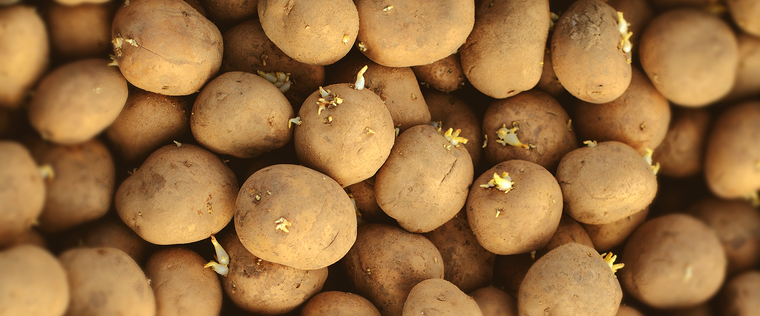
We've all been there. You reach into the pantry for a potato to go with dinner and discover your spud has grown little pale "eyes" and a few wiggly sprouts. Before you toss it in the trash, take a breath: a potato with a few small sprouts is often still perfectly fine to enjoy. A little know-how goes a long way toward cutting down on food waste and keeping your meals safe and delicious.
Idaho Potatoes: The Original Affordable Superfood
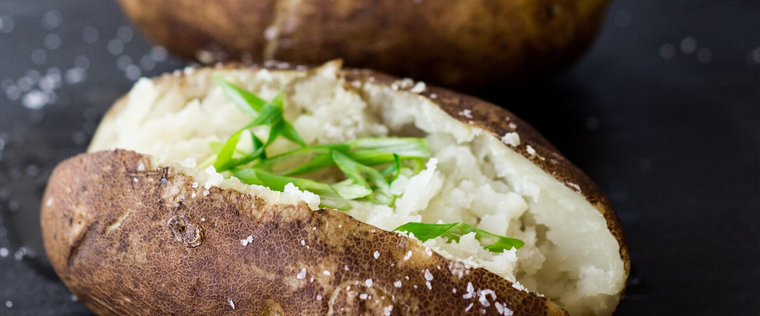
One of the best nutrition-per-dollar foods available and the practical family staple for uncertain economic times. Even on a budget, great meals are possible with potatoes grown in Idaho and are proof that real food doesn't have to cost a fortune.
Idaho Grows More Than Just Russets
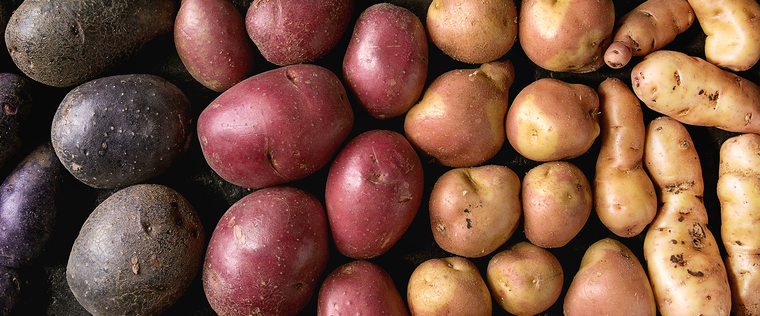
Idaho grows more than 30 different varieties of potatoes, each with its own texture, flavor, and culinary application.